
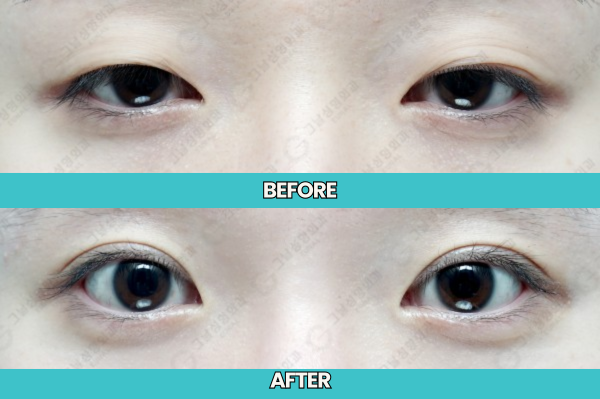
Droopy eyelids, also known as ptosis, can affect both appearance and vision. In mild cases, it may be a cosmetic concern, but when the eyelid droops significantly, it can obstruct vision and make daily activities more challenging. If you find yourself constantly raising your eyebrows or tilting your head to see better, ptosis surgery might be the solution.
In this guide, we’ll explore what ptosis is, its causes, treatment options, and what to expect from the surgical procedure.
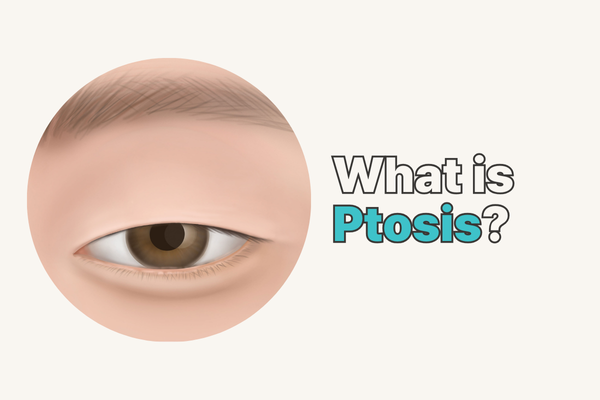
Ptosis is a condition where the upper eyelid droops lower than normal. This can range from a slight sagging to a more severe droop that covers part of the pupil and blocks vision. Many people with ptosis unconsciously compensate by lifting their eyebrows, tilting their heads, or even using their fingers to lift the eyelid for better vision.
Causes of Ptosis
Ptosis occurs when the levator muscle, responsible for lifting the eyelid, weakens or loses function. Common causes include:
- Aging and natural muscle weakening
- Congenital ptosis (present at birth)
- Nerve damage
- Trauma or previous eye surgery
If left untreated, severe ptosis can lead to eye strain, headaches, and even long-term vision problems.
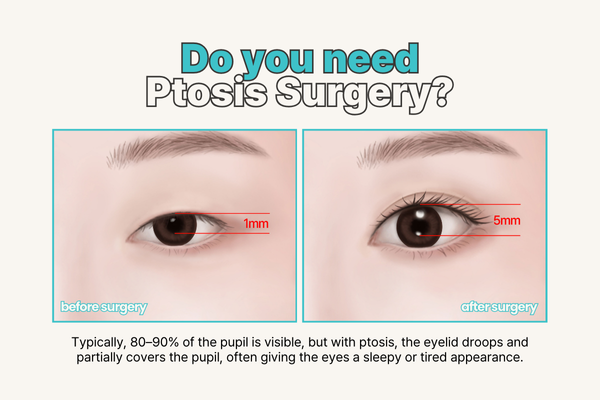
The decision to undergo ptosis surgery depends on the severity of the condition and how much it affects vision. During a consultation, the surgeon will examine your eyelids, take precise measurements, and assess your eyelid muscle function. In some cases, a visual field test may be required to determine the impact on vision.
Surgery is typically recommended when:
- The drooping significantly obstructs vision.
- There is frequent eye fatigue due to straining to keep the eyelids open.
- The patient desires an improvement in both vision and appearance.
Ptosis Correction Methods
1. Non-Incisional Ptosis Correction
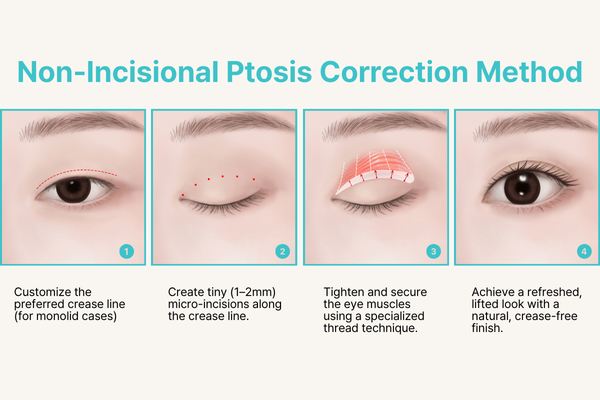
Recommended for mild to moderate ptosis, this method involves tightening the levator muscle using sutures without making a visible incision. It is ideal for patients with thin eyelids who want a subtle enhancement without scarring.
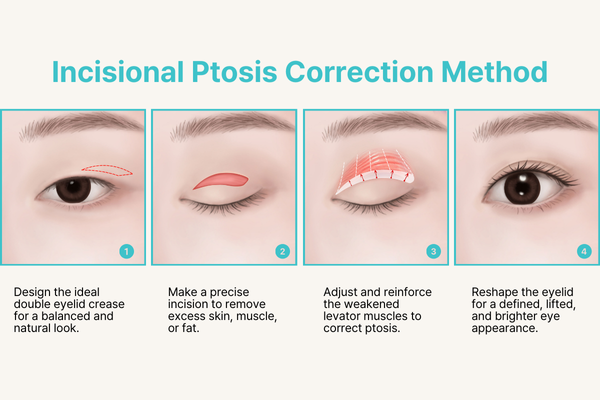
2. Incisional Ptosis Correction
For patients with severe ptosis or thick, puffy eyelids, the incisional method is preferred. A small incision is made to access and tighten the levator muscle, allowing the surgeon to remove excess skin or fat. This results in a more defined and lifted eyelid.
Ideal Candidates for Each Method
Non-Incisional Method:
- Mild to moderate ptosis
- Thin upper eyelid skin
- Preference for a natural look without visible scarring
Incisional Method:
- Moderate to severe ptosis
- Thick or puffy eyelids
- Need for excess skin or fat removal

1. Consultation
- The surgeon evaluates the condition and determines the most suitable procedure.
2. Pre-Surgery Preparation
- Patients receive guidelines, including fasting instructions and recommendations for comfortable clothing.
3. Anesthesia
- The procedure is performed under local anesthesia with IV sedation for comfort.
4. Surgical Procedure
- Depending on the chosen method, the levator muscle is either tightened using sutures (non-incisional) or through a small incision (incisional).
5. Surgery Duration & Recovery
- The surgery takes about 30 to 60 minutes.
- Hospitalization is not required, and patients can return home the same day.
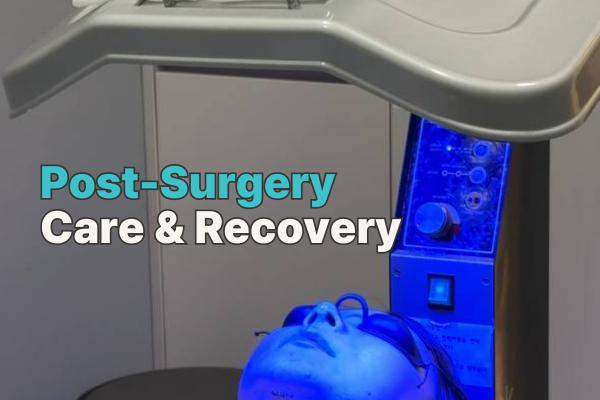
Most patients experience mild swelling and bruising, which subside within 2-4 weeks. Cold compresses and prescribed medications can help with discomfort. Patients should follow these aftercare guidelines:
- Avoid heavy lifting and strenuous exercise for at least two weeks.
- Keep the eye area clean and avoid rubbing the eyes.
- Attend follow-up appointments to monitor healing progress.
Potential Risks & Complications
Like any surgery, ptosis correction carries some risks, including:
- Overcorrection (eyelid too high) or undercorrection (eyelid not lifted enough)
- Bleeding or infection
- Temporary dry eyes or blurred vision
- Cosmetic dissatisfaction (rare but possible)
Following post-op instructions carefully reduces these risks.
How Long Does Recovery Take?
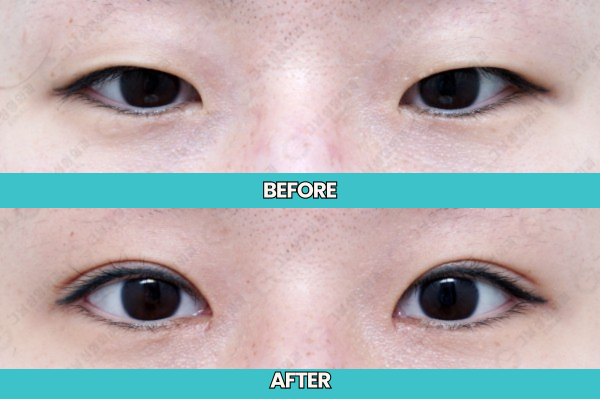
Most patients can return to daily activities within a few days, though full recovery takes 4-6 weeks. Final results will be visible once swelling fully subsides (approximately 3-6 months).
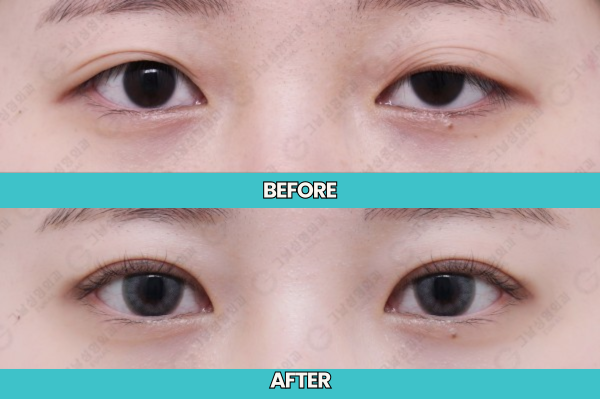
Ptosis surgery is a highly effective way to restore both function and aesthetics to droopy eyelids. Whether you’re experiencing vision obstruction or simply want a more youthful, refreshed appearance, ptosis correction can provide long-lasting results. If you’re unsure whether you need surgery, a professional consultation will help determine the best approach for your specific case.
Schedule Your Consultation Today
If droopy eyelids are affecting your vision or confidence, our experienced surgeons are here to help. Contact us today to book a consultation and learn more about your treatment options!